Billedgalleri
(1/8)
Tales of Knights - Manuscripta Nordica - Christopher Sanders
Til salg
300 kr.
Bed sælgeren om at sende med Fiks færdig! Det er trygt, hurtigt, og varen vil blive sendt til dig. Læs mere
Varebeskrivelse
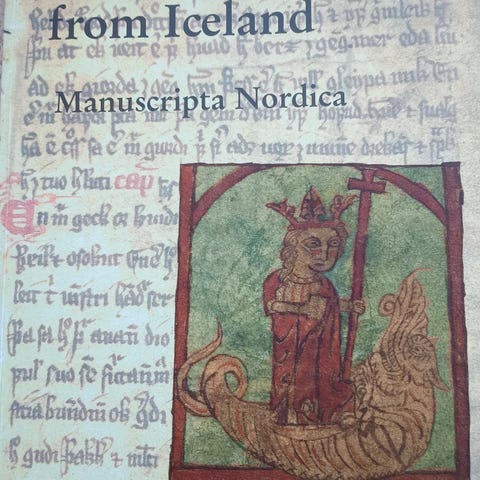
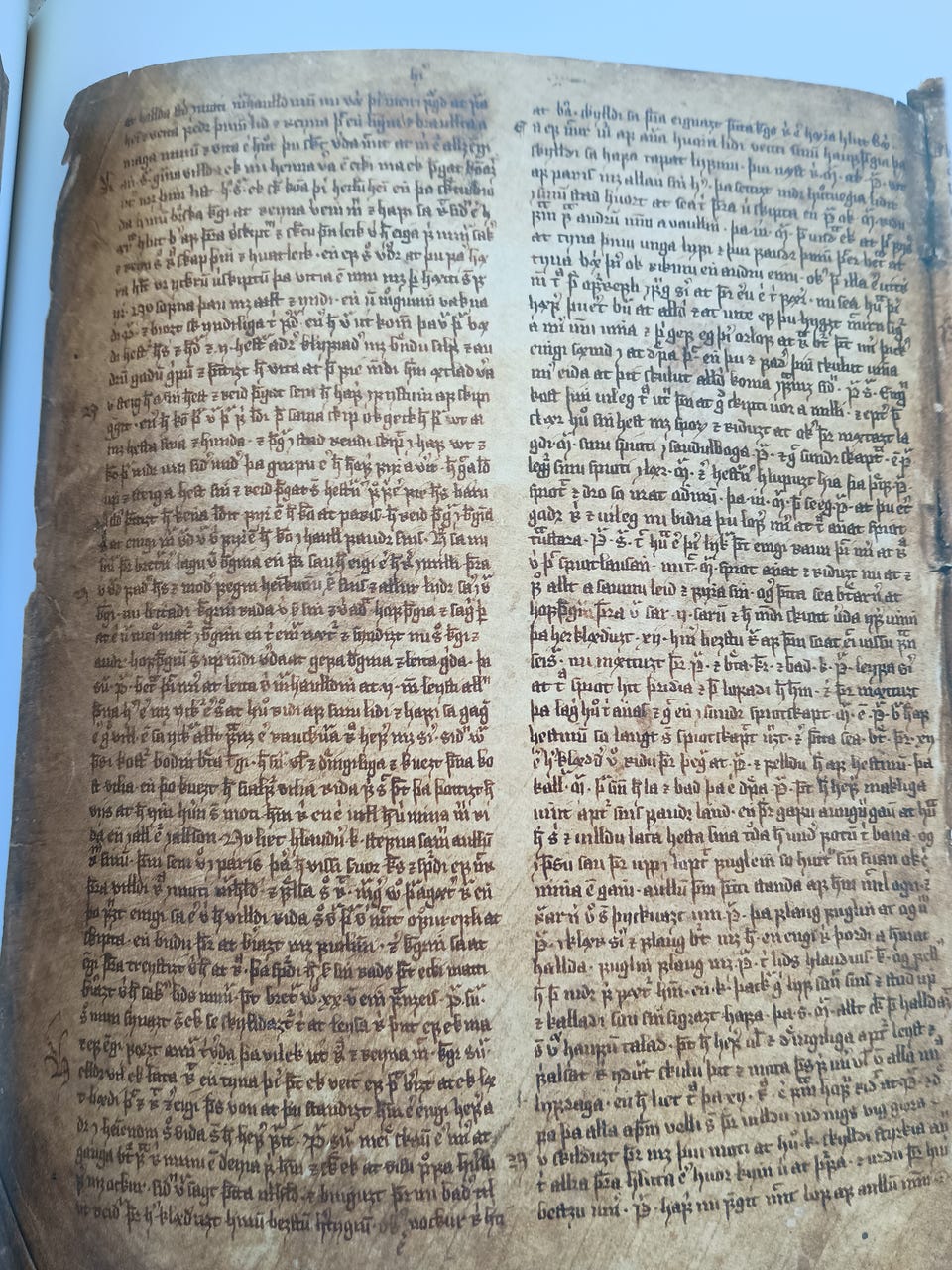
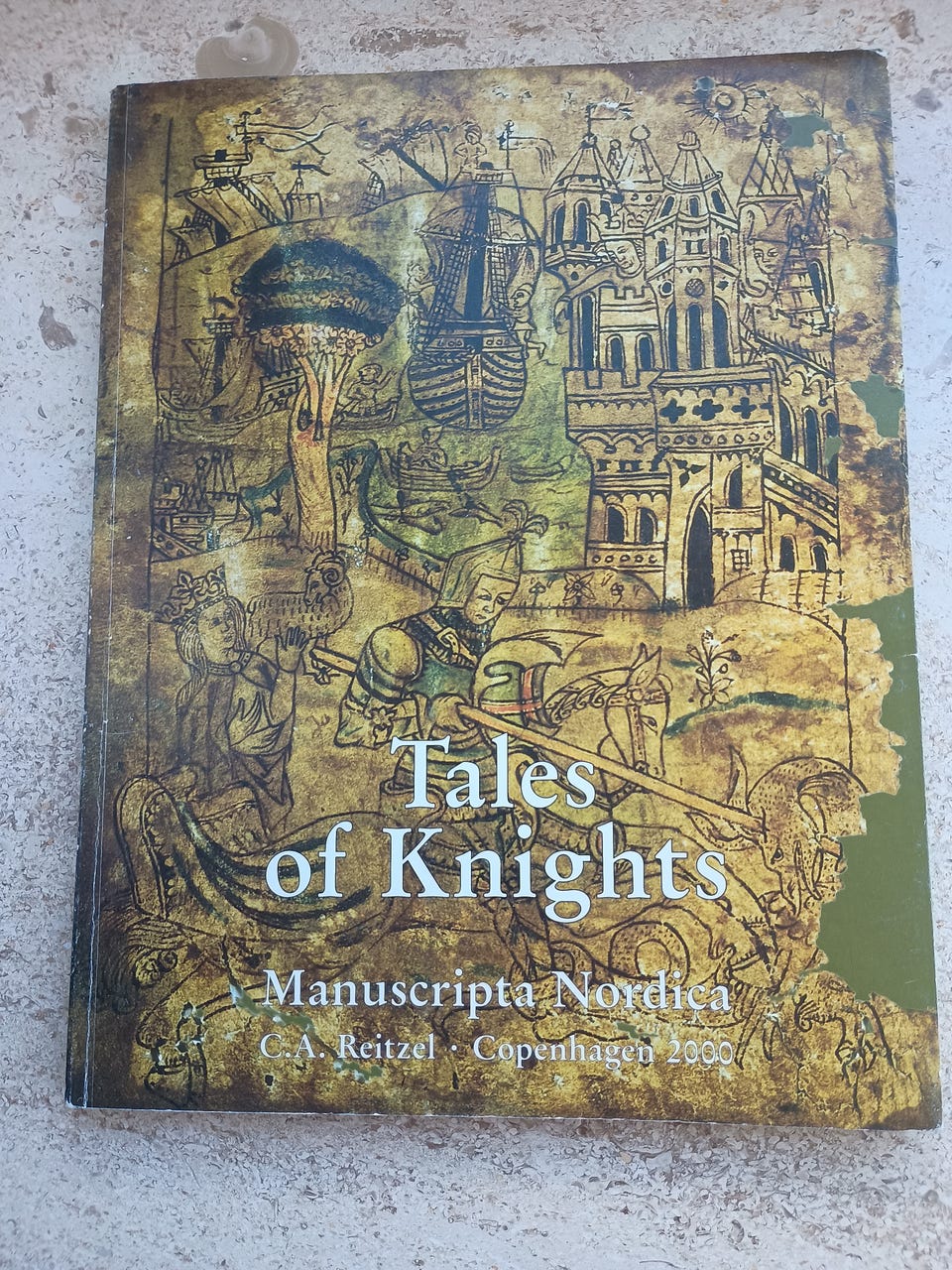
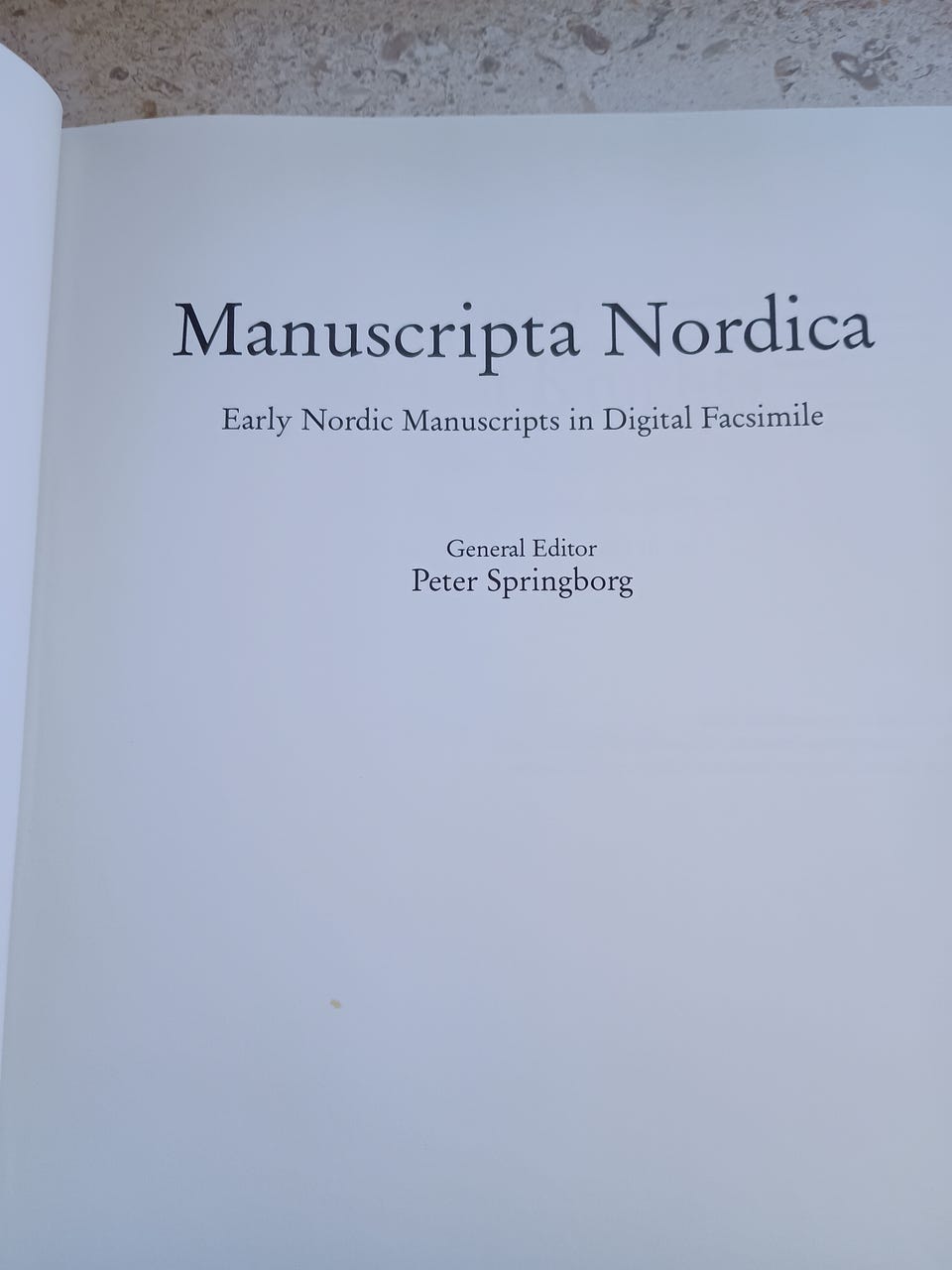
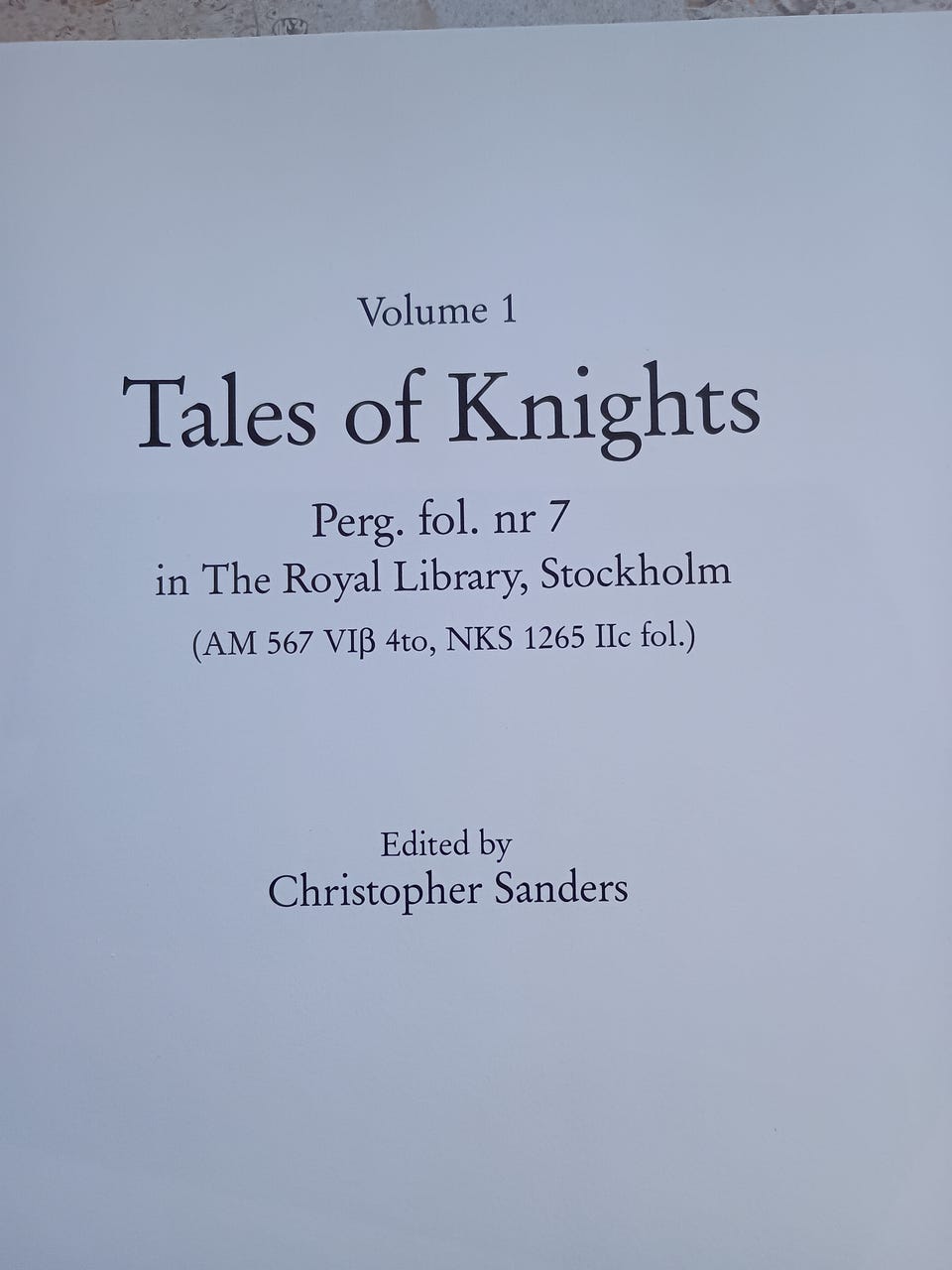
Fulde titel: " Tales Of Knights - Manuscripta Nordica Early Nordic Manuscripts in digital Facsimile. Volume 1. Tales of Knights. Perg. Fol. Nr 7 in the Royal Library, Stockholm (AM 567 Viss 4to, NKS 1265 He fol.)":
1. udgave og 1. oplag:
Volume 1.:
Sproget er engelsk:
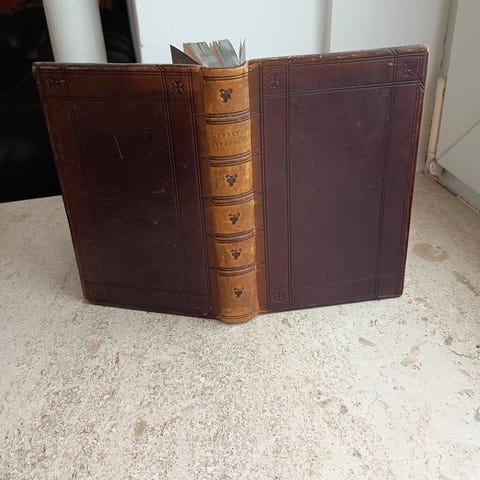
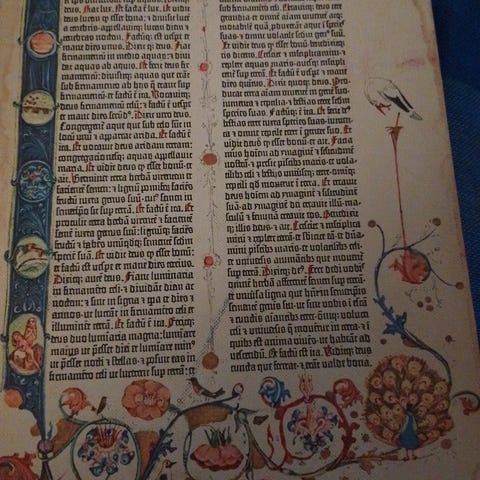
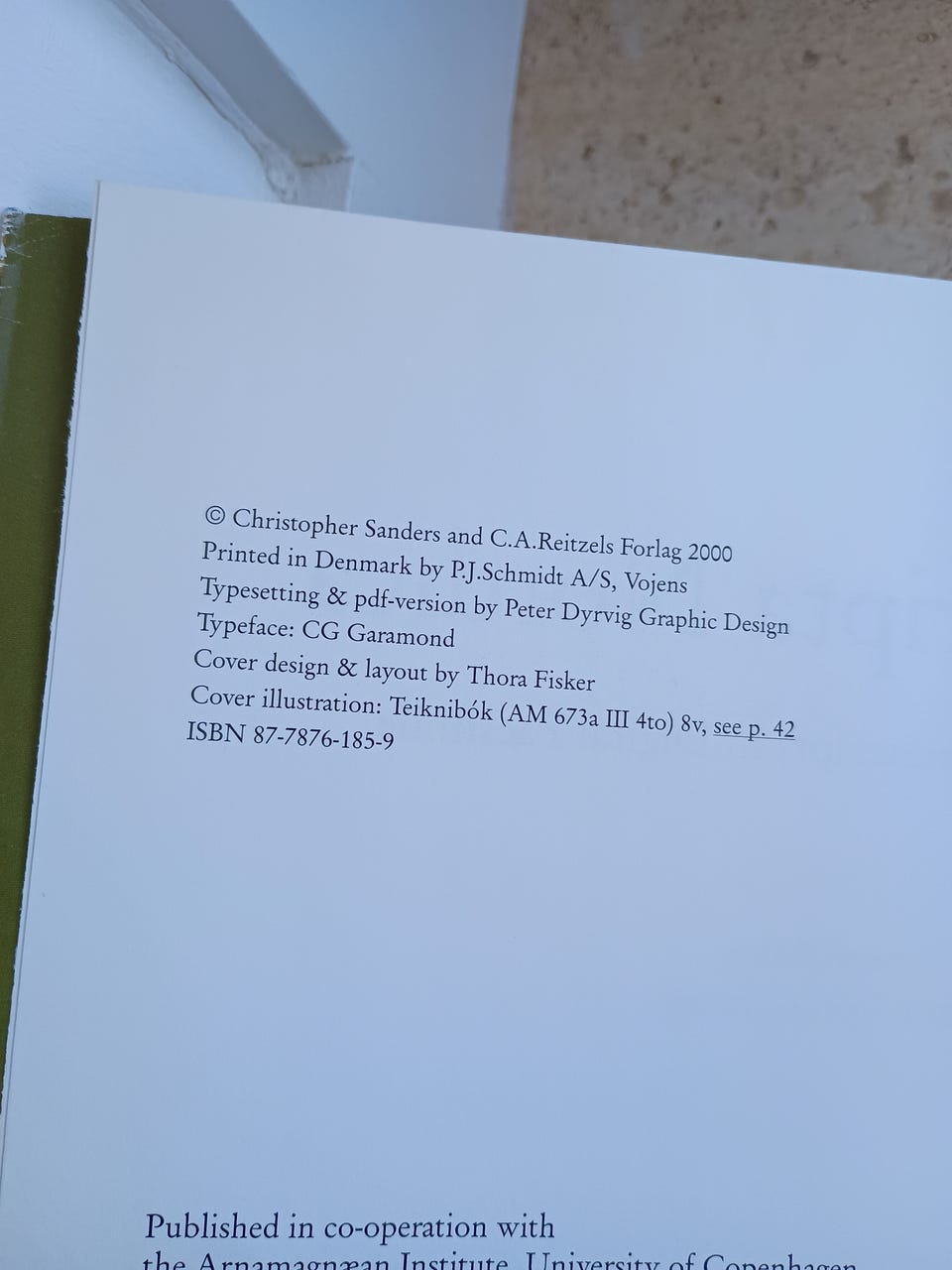
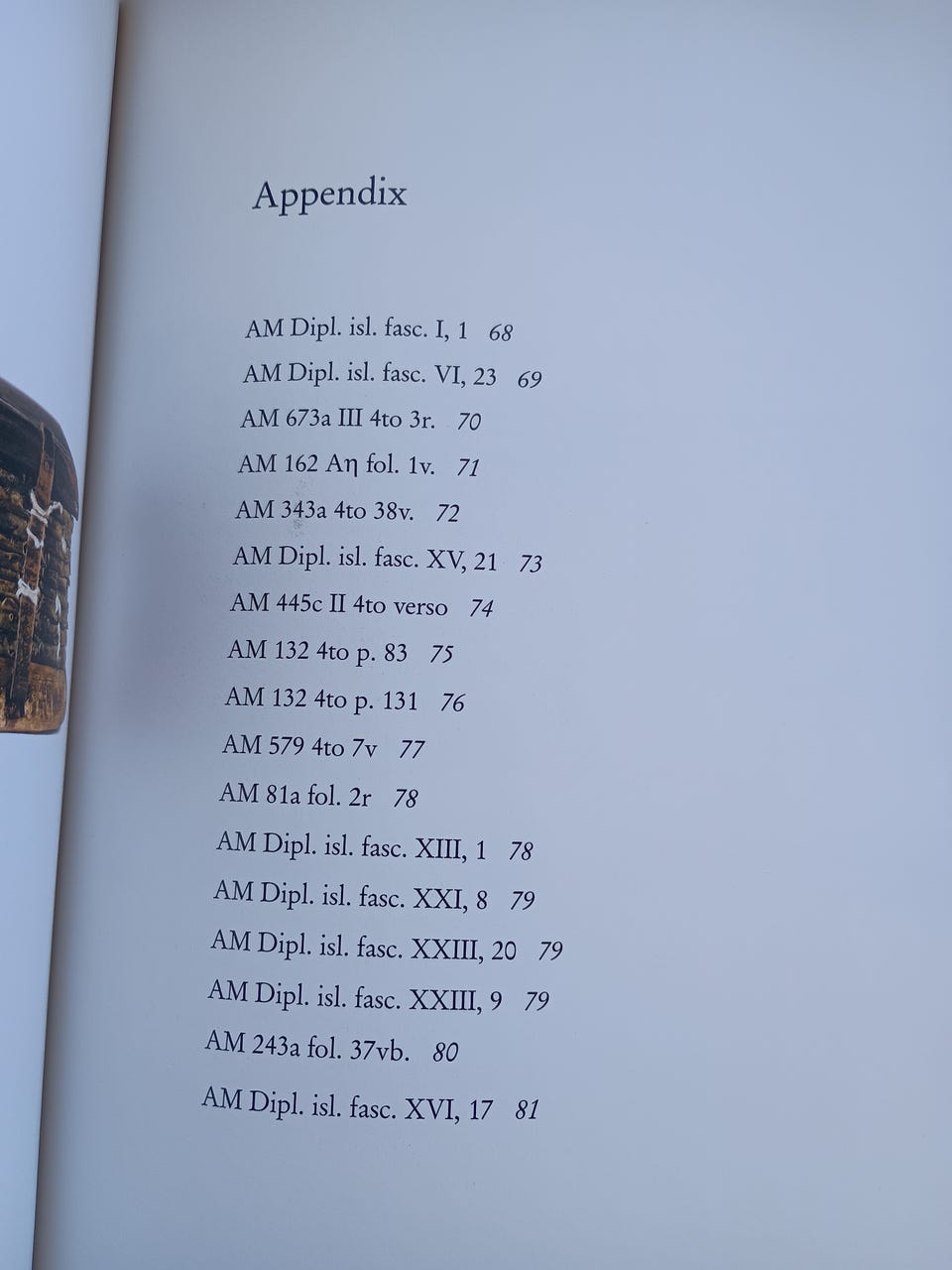
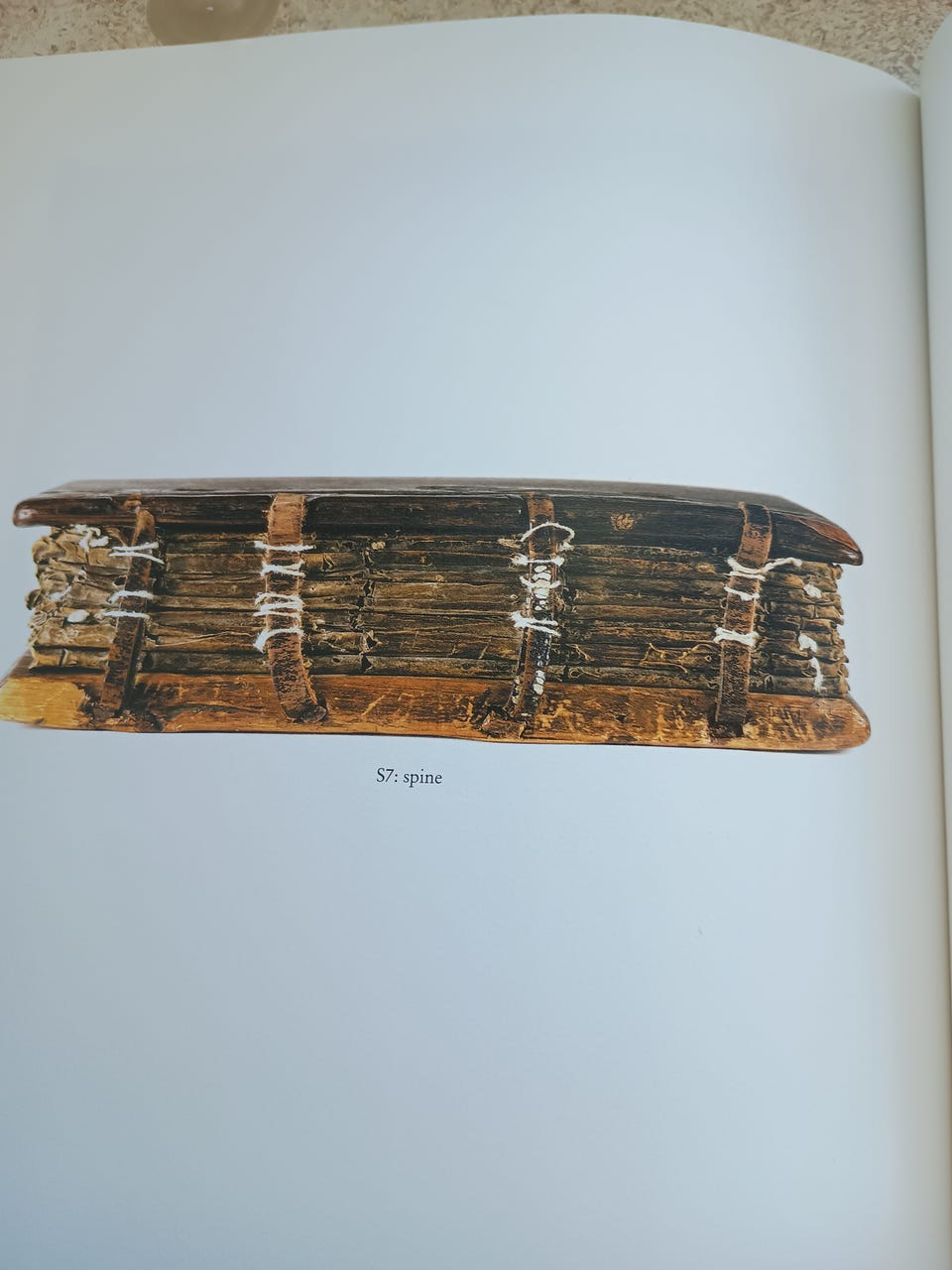
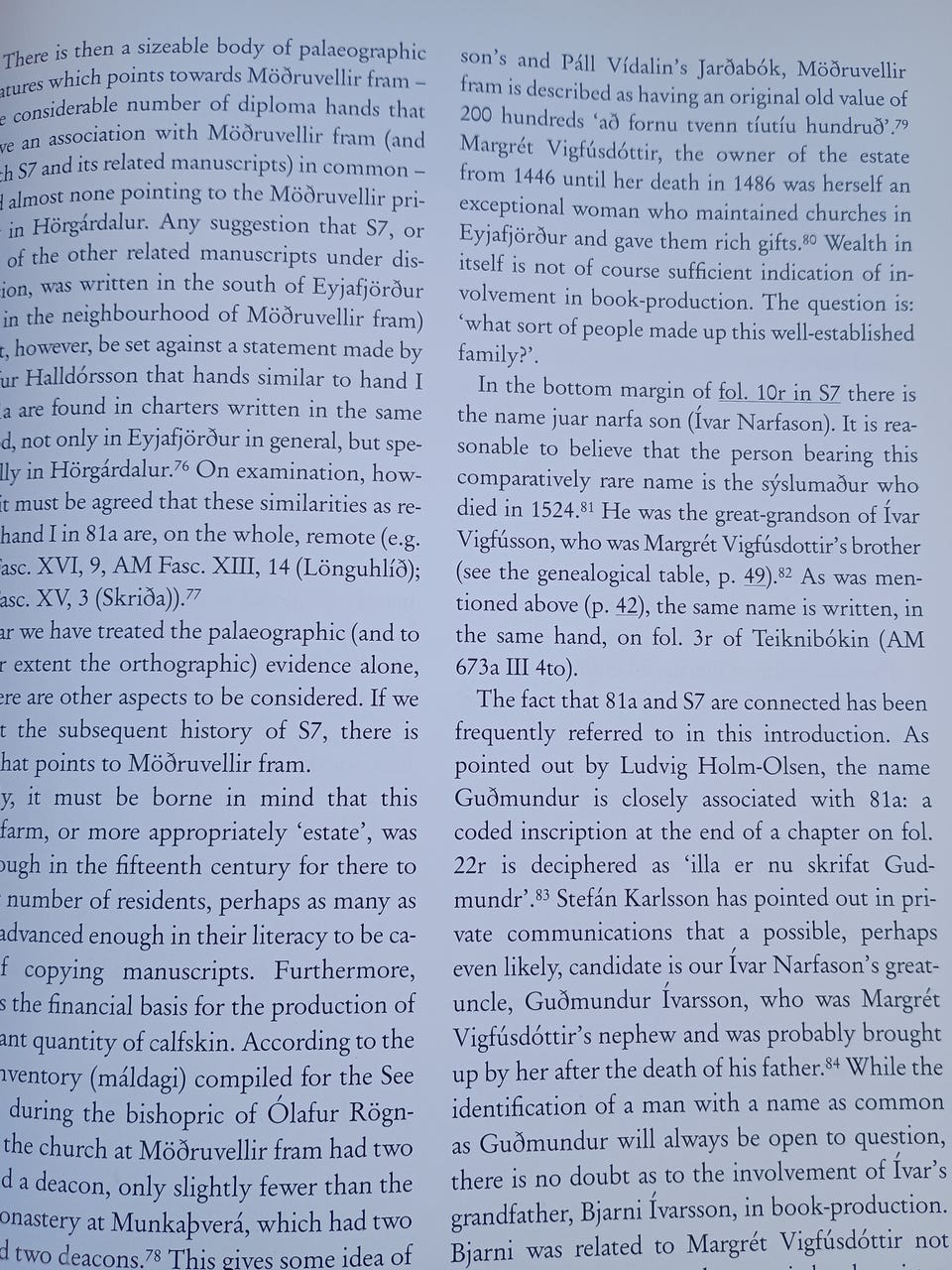
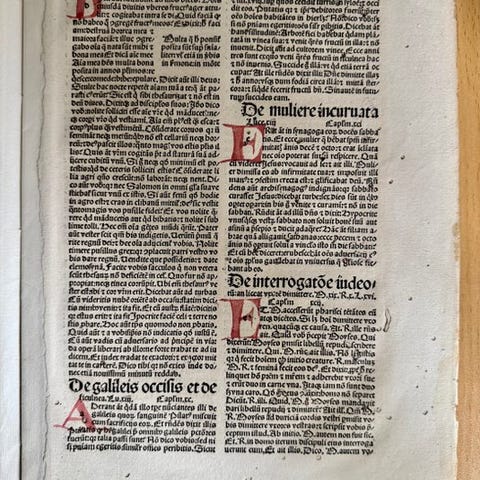
Pæn stand (bogen er fra 2000): Hæftet med omslag - 84 sider - gennemillustreret med vidunderlige fotos af inkunable (se længere nede) bøger - 27x21 cm - uden tilskrivninger - C.A. Reitzels Forlag 2000.
Prisen er fast.
Full title: " Tales Of Knights - Manuscripta Nordica Early Nordic Manuscripts in digital Facsimile. Volume 1. Tales of Knights. Perg. Fol. Nr 7 in the Royal Library, Stockholm (AM 567 Viss 4to, NKS 1265 He fol.)":
1st edition and 1st printing:
Language is English:
Nice condition (the book is from 2000): Booklet with cover - 84 pages - thoroughly illustrated with wonderful photos incunabula (see further down) books - 27x21 cm - without attributions - C.A. Reitzels Forlag 2000.
The price is fixed.
Inkunabel:
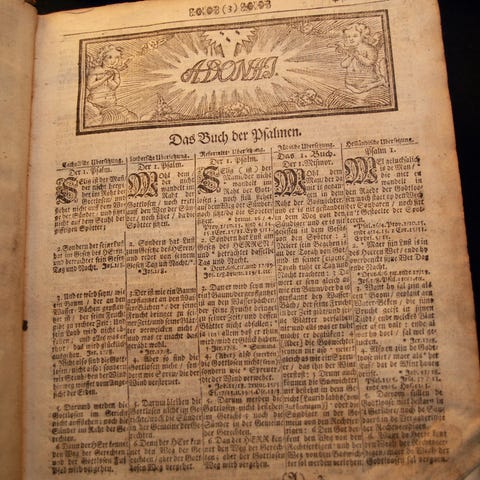
En inkunabel er en tryksag fra bogtrykkunstens barndom til og med år 1501 i Europa. I Danmark til 1550. Det kan være en bog, et enkelt ark eller en side. Ordet stammer fra det latinske incunabula, der betyder "svøb" eller "vugge" (tysk: Wiegendruck) og hentyder til bogtrykkunstens barndom.
Kunsten at trykke bøger er en epokegørende opfindelse. Den betød, at langt flere fik adgang til bøger. Opfindelsen af bogtrykkunsten skal ses på baggrund af, at skrift spillede en større og større rolle i handel og administration.
Bogtrykkunsten blev opfundet ca. 1450 af Johannes Gutenberg. Det revolutionerende ved Gutenbergs opfindelse var de løse typer. Gutenberg opfandt et støbeinstrument til fremstilling af løse, ”bevægelige” typer, der kunne sammenstilles i stadig nye kombinationer. I 1000-tallet var de løse typer blevet opfundet i Kina. Men de mange kinesiske tegn var en grund til, at bogtrykkerkunsten ikke vandt stor udbredelse der.
De ældste trykte bøger i Europa var i form og udstyr direkte kopieret efter håndskrifter (manuskripter). De blev fremstillet med stor dygtighed. Håndskrifternes kunstfærdigt kalligraferede skrift former blev kopieret af bogtrykkerne i de løse, støbte typer. Inkunabler kan være tilføjet illumineret med initialer, miniaturer og ranker lige som håndskrifterne. En del af de gamle bøger udmærker sig ved en typografisk skønhed, som eftertiden trods alle tekniske fremskridt ikke har kunne overgå.
I denne ældste periode af bogtrykkets historie fik de enkelte tryk deres individuelle præg gennem forskellige former for udsmykninger. Det var almindeligt at en bogejer selv sørgede for, at begyndelsesbogstaverne i de enkelte kapitler, initialerne, blev tilføjet i hånden.
Det varede ikke længe før bogtrykkunsten blev udbredt til Italien, siden til Frankrig og resten af Europa. Bogtrykkunsten betød, at en tekst blev mangfoldiggjort i ens eksemplarer. Et oplag i det sene 1400-tal har været på 2-300 eksemplarer, i særlige tilfælde omkring 1.000.
Den første brug af ordet stammer fra en pamflet af Bernard von Mallinckrodt: De ortu et progressu artis typographicae ("Oprindelse og udviklingen af den typografiske kunst"), Köln 1639: prima typographicae incunabula ("typografiens barndom"). I ældre tid var betegnelsen Palæotyper, 'gamle tryk', udbredt, men nu er betegnelsen inkunabel almindelig.
Blandt de mest kendte inkunabler er Gutenbergs Bibel fra 1455. I dag kender man ca. 29.000 inkunabel-udgaver. De er registreret i et katalog i regi af British Library og – mere udførligt og autoritativt – i det tyske "Gesamtkatalog der Wiegendrucke", et stadigt igangværende projekt ved Staatsbibliothek zu Berlin. Ikke alle inkunabler kendes i dag. Mange bøger er gået tabt.
I Danmark blev en stor del brugt til Christians den fjerdes jubilæum:
"Historien er næsten ligeså grotesk som da Christian den Fjerde brændte næsten hele den danske inkunable samling af bøger af i 1608. Grunden var endnu et jubilæum og at fyrværkerimesteren manglede papir til sine raketter. Fyrværkerimesteren fik lov at holde verdens stadigt dyreste fyrværkerishow nogen sinde. 76 uerstattelige håndskrevne munkebøger fra Sorø Kloster, lutter kildeskrifter i kun et eksemplar (unikaer) fra det 11-12-13-14-århundrede blev om natten strøget ud over hele København. Næsten hele Danmarks religiøse, politiske og økonomiske Danmarkshistorie omformet til kardusser og raketter".
Inkunabler anvendes nu mest som objekter for studiet af bogtrykkunstens oprindelse og kan også have deres selvstændige litterære og kulturhistoriske betydning. De er sjældne, og deres oprindelse og ægthed kan kun dokumenteres af eksperter.
I Danmark blev den første bog trykt i 1482 af Johan Snell i Odense, det var Guillaume Caoursins beretning om belejringen af Rhodos "De obsidione et bello Rhodiano". De første bogtrykkere i Danmark var tyske. De blev kaldt til landet for at trykke kirkelige værker på latin til brug ved messen. Et tidligt højdepunkt i dansk bogkunst er det store "Missale Slesvicense" – trykt 1482 af Steffen Arndes i Slesvig by. Ved siden af disse kirkelige bestillingsopgaver udkom mere folkelige bøger på dansk. Den første bogtrykker, der slog sig ned i København, var hollænderen Gotfred af Ghemen. Han har bl.a. trykt den ældste kendte trykte bog på dansk, "Den danske Rimkrønike" – trykt 1495 i København.
Det Kongelige Biblioteks samlede bestand af ældre danica, dvs. bøger trykt indtil år 1600 er blevet digitaliseret til forlagskoncernen ProQuests base ''Early European Books''. Alle bøger i Det Kongelige Biblioteks samlinger som indgår i Lauritz Nielsen: Dansk bibliografi 1482-1600 (1919-35/1996) er medtaget. Dertil kommer omtrent 450 bøger fra bibliotekets samlinger, som ikke indgår i Lauritz Nielsens bibliografi og unikaer fra Karen Brahes Bibliotek.
Det Kongelige Bibliotek råder over ca. 4.500 inkunabler, hvoraf nogle stammer fra det middelalderlige Bordesholm klosters bibliotek i Holsten.
Næsten alle inkunabler i Danmark er samlet i Det Kongelige Bibliotek og findes i "Katalog over Det Kongelige Biblioteks inkunabler", udarbejdet af Victor Madsen.
Incunabula:
"An incunabula is a printed matter from the infancy of printing up to and including 1501 in Europe. In Denmark until 1550. It can be a book, a single sheet or a page. The word comes from the Latin incunabula, which means "swaddling" or "cradle" (German: Wiegendruck) and refers to the infancy of printing.
The art of printing books is an epoch-making invention. It meant that far more people had access to books. The invention of printing should be seen in the context of the fact that writing played an increasingly important role in trade and administration.
Printing was invented around 1450 by Johannes Gutenberg. The revolutionary thing about Gutenberg's invention was the movable type. Gutenberg invented a casting instrument for producing loose, "movable" types that could be combined in ever-new combinations. In the 11th century, movable type had been invented in China. But the many Chinese characters were one reason why the art of printing did not become widespread there.
The oldest printed books in Europe were in form and equipment directly copied from manuscripts (manuscripts). They were produced with great skill. The elaborately calligraphic writing forms of the manuscripts were copied by the printers in the loose, cast types. Incunabula may have been illuminated with initials, miniatures and tendrils just like the manuscripts. Some of the old books are distinguished by a typographic beauty that posterity, despite all technical advances, has not been able to surpass.
In this oldest period of the history of printing, the individual prints were given their individual character through various forms of decoration. It was common for a book owner himself to ensure that the initial letters of the individual chapters, the initials, were added by hand.
It was not long before the art of printing spread to Italy, then to France and the rest of Europe. The art of printing meant that a text was multiplied in identical copies. An edition in the late 15th century was 2-300 copies, in special cases around 1,000.
The first use of the word comes from a pamphlet by Bernard von Mallinckrodt: De ortu et progressu artis typographicae ("Origin and development of the typographical art"), Cologne 1639: prima typographicae incunabula ("the childhood of typography"). In earlier times the term Palaeotypes, 'old prints', was widespread, but now the term incunabulum is common.
Among the best-known incunabula is Gutenberg's Bible from 1455. Today, approximately 29,000 incunabula are known. They are registered in a catalogue run by the British Library and – more comprehensively and authoritatively – in the German "Gesamtkatalog der Wiegendrucke", a still ongoing project at the Staatsbibliothek zu Berlin. Not all incunabula are known today. Many books have been lost.
In Denmark, a large part was used for the anniversary of Christian the Fourth:
"The story is almost as grotesque as when Christian the Fourth burned almost the entire Danish incunabula collection of books in 1608. The reason was another anniversary and that the fireworks master lacked paper for his rockets. The fireworks master was allowed to hold the world's most expensive fireworks show ever. 76 irreplaceable handwritten monk's books from Sorø Monastery, pure source writings in only one copy (unique) from the 11th-12th-13th-14th centuries, were scattered all over Copenhagen at night. Almost all of Denmark's religious, political and economic history was transformed into cardstocks and rockets".
Incunabula are now mostly used as objects for the study of the origins of printing and can also have their own independent literary and cultural-historical significance. They are rare, and their origin and authenticity can only be documented by experts.
In Denmark, the first book was printed in 1482 by Johan Snell in Odense; it was Guillaume Caoursin's account of the siege of Rhodes "De obsidione et bello Rhodiano". The first printers in Denmark were German. They were called to the country to print ecclesiastical works in Latin for use at mass. An early highlight in Danish book art is the large "Missale Slesvicense" – printed in 1482 by Steffen Arndes in the city of Schleswig. Alongside these ecclesiastical commissions, more popular books were published in Danish. The first printer to settle in Copenhagen was the Dutchman Gotfred of Ghemen. He has, among other things, printed the oldest known printed book in Danish, "Den danske Rimkrønike" – printed in 1495 in Copenhagen.
The Royal Library's entire collection of older Danish, i.e. books printed up to the year 1600, has been digitized for the publishing group ProQuest's database ''Early European Books''. All books in the Royal Library's collections that are included in Lauritz Nielsen: Danish bibliography 1482-1600 (1919-35/1996) are included. In addition, there are approximately 450 books from the library's collections that are not included in Lauritz Nielsen's bibliography and unique items from Karen Brahe's Library.
The Royal Library has approximately 4,500 incunabula, some of which originate from the medieval Bordesholm monastery library in Holstein.
Almost all incunabula in Denmark are collected in the Royal Library and can be found in the Catalogue of the Royal Library's incunabula, compiled by Victor Madsen. – Copenhagen, 1931-38 facsimile online Archived 10 March 2007 at the Wayback Machine".
Bemærk: Knappen til at vise den fulde beskrivelse har kun en visuel effekt.
Brugerprofil

Du skal være logget ind for at se brugerprofiler og sende beskeder.
Log indAnnoncens metadata
Sidst redigeret: 7.6.2026 kl. 20:16 ・ Annonce-ID: 22011352